Embark on a journey through the captivating world of geotourism in desert landscapes, where the allure of unique geological formations and rich biodiversity awaits curious travelers. This introduction sets the stage for an exploration of the cultural, environmental, and adventurous aspects of desert geotourism, inviting readers to delve into the hidden treasures of arid terrains.
Discover the hidden gems that make desert geotourism a truly unforgettable experience, blending nature’s magnificence with cultural heritage and sustainable practices for an enriching adventure like no other.
Introduction to Geotourism in Desert Landscapes
Geotourism is a form of sustainable tourism that focuses on the unique geological features of a destination, promoting conservation and education while benefiting local communities. In desert regions, geotourism plays a crucial role in showcasing the geological wonders and cultural heritage of these arid landscapes.Desert landscapes are characterized by vast stretches of sand dunes, rock formations, canyons, and unique geological features that have been shaped by millions of years of natural processes.
The extreme conditions of deserts, such as high temperatures and limited water sources, create a challenging environment that has led to the development of specialized flora and fauna adapted to survive in these harsh conditions.The appeal of desert geotourism lies in the opportunity to explore these rugged terrains and marvel at the geological formations that tell the story of the Earth’s history.
Visitors can witness firsthand the intricate patterns of sand dunes sculpted by the wind, the towering rock spires formed through erosion, and the colorful layers of sedimentary rock that reveal the ancient past of the desert regions.Furthermore, desert geotourism offers a glimpse into the rich cultural heritage of indigenous communities that have inhabited these landscapes for generations. From traditional practices to storytelling about the land’s significance, visitors can gain a deeper understanding of the spiritual and historical connections between people and the desert environment.Overall, geotourism in desert landscapes provides a unique opportunity to appreciate the beauty, resilience, and diversity of these arid regions while promoting conservation efforts and supporting local communities.
Geological Formations in Desert Geotourism
Desert landscapes are characterized by a variety of geological formations that have been shaped over millions of years. These formations not only add to the beauty of the desert but also play a crucial role in attracting geotourists from around the world.
Sand Dunes
Sand dunes are one of the most iconic features of desert landscapes. They are formed by the accumulation of sand carried by the wind and shaped by its direction. The unique shapes and sizes of sand dunes create a mesmerizing sight for visitors and offer opportunities for activities like sandboarding and dune bashing.
Canyons
Canyons in deserts are formed through the slow erosion of rock by water and wind over thousands of years. These deep, narrow valleys offer a glimpse into the geological history of the region and provide a habitat for unique flora and fauna. Visitors can explore these canyons on foot or through guided tours to appreciate their grandeur.
Rock Formations
Rock formations in desert landscapes are a result of geological processes like weathering and erosion. These formations can take on various shapes and sizes, ranging from towering cliffs to intricate arches. The vibrant colors and textures of these rocks add to the visual appeal of the desert and serve as a reminder of the forces of nature at work.
Flora and Fauna in Desert Geotourism
Desert landscapes may appear barren at first glance, but they are actually home to a wide variety of unique plant and animal species that have adapted to thrive in harsh arid conditions. These flora and fauna play a crucial role in desert geotourism experiences, showcasing the resilience and diversity of life in these extreme environments.
Unique Plant and Animal Species
Deserts are not devoid of life; they are teeming with specialized plant and animal species that have evolved to survive in hot and dry conditions. Examples include the iconic saguaro cactus in the Sonoran Desert and the elusive Fennec fox in the Sahara Desert. These species have developed remarkable adaptations to conserve water and withstand high temperatures, making them fascinating subjects for geotourists to observe and learn about.
Adaptations for Survival
Flora and fauna in desert environments have evolved various adaptations to thrive in arid conditions. Plants like succulents store water in their fleshy stems, while animals like camels have humps to store fat reserves for long periods without water. These adaptations not only help these organisms survive, but they also provide valuable insights into the interconnectedness of life in deserts and the delicate balance required for sustainable ecosystems.
Role of Biodiversity in Desert Geotourism Experiences
Biodiversity is essential for desert geotourism experiences as it enhances the richness and complexity of these ecosystems. The presence of diverse plant and animal species offers visitors a chance to witness the intricate web of life in deserts and appreciate the beauty of adaptation and survival. By exploring the flora and fauna in desert landscapes, geotourists can gain a deeper understanding of the interconnectedness of all living organisms and the importance of preserving these fragile habitats for future generations to enjoy.
Sustainable Practices in Desert Geotourism
Implementing sustainable practices in desert geotourism is crucial for preserving the delicate ecosystems of these arid landscapes and ensuring their long-term viability for visitors and local communities.
Conservation Efforts in Desert Geotourism
Conservation efforts play a vital role in protecting the unique flora and fauna found in desert ecosystems. By establishing protected areas, enforcing regulations on resource extraction, and promoting responsible tourist behavior, conservationists can safeguard these fragile environments for future generations.
Minimizing Environmental Impact in Desert Geotourism Activities
- Limiting the use of motorized vehicles: Encouraging eco-friendly modes of transportation such as walking, cycling, or using electric vehicles can help reduce carbon emissions and minimize soil erosion in desert areas.
- Managing waste responsibly: Implementing waste management systems, promoting recycling, and educating visitors about the importance of leaving no trace can help keep desert landscapes clean and pristine.
- Supporting local communities: By engaging with local residents, providing sustainable livelihood opportunities, and respecting indigenous knowledge, desert geotourism can contribute to the well-being of communities living in these areas.
- Water conservation practices: Encouraging water-saving measures, such as using water-efficient fixtures, collecting rainwater, and promoting water conservation awareness, can help preserve scarce water resources in desert regions.
Cultural Experiences in Desert Geotourism
Desert landscapes hold immense cultural significance for indigenous communities, shaping their traditions, beliefs, and way of life. These cultural elements add a unique layer to the geotourism experience, providing visitors with a deeper understanding of the desert’s history and importance.
Indigenous Traditions and Stories
In many desert regions, indigenous communities have passed down stories and traditions for generations, highlighting the spiritual connection they have with the land. These stories often revolve around natural formations, wildlife, and celestial events, offering visitors a glimpse into the rich cultural tapestry of the desert.
- One such example is the Navajo creation story, which describes the emergence of their people from the depths of the earth and their journey through various landscapes, including deserts. This story underscores the sacred relationship between the Navajo people and the desert environment.
- In Australia, the Dreamtime stories of the Aboriginal people recount the creation of the land, its features, and the animals that inhabit it. These stories are deeply intertwined with the desert landscape, revealing a profound connection to the natural world.
Cultural Heritage Sites
Cultural heritage sites in deserts, such as ancient ruins, rock art, and ceremonial grounds, offer a glimpse into the lives of past inhabitants and their relationship with the environment. These sites not only showcase the creativity and ingenuity of ancient cultures but also contribute to the overall allure of desert geotourism.
Visitors can explore petroglyphs in the American Southwest, depicting scenes of hunting, spiritual rituals, and daily life, providing insights into the beliefs and practices of indigenous peoples in the region.
| Location | Heritage Site | Significance |
|---|---|---|
| Peru | Nazca Lines | Enigmatic geoglyphs etched into the desert floor, believed to have had astronomical, religious, or ceremonial purposes. |
| Jordan | Petra | An ancient city carved into rose-red cliffs, showcasing Nabatean architecture and rock-cut tombs. |
Activities and Excursions in Desert Geotourism
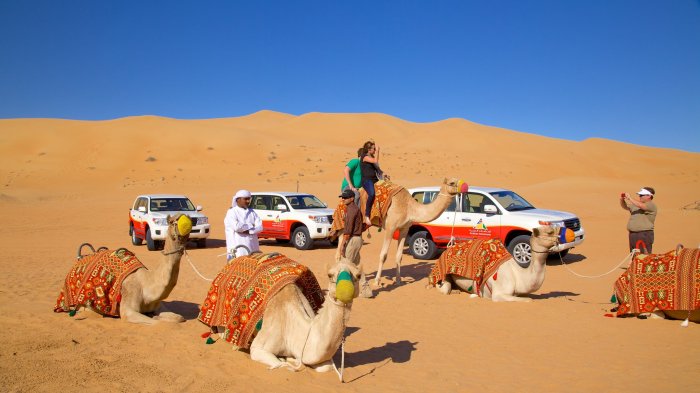
When exploring desert geotourism destinations, there are a variety of activities and excursions that offer unique experiences and opportunities to immerse yourself in the stunning landscapes.
Popular Activities in Desert Geotourism
- Camel Safaris: Embark on a traditional camel safari to traverse the desert terrain and witness the beauty of the landscape from a unique perspective.
- Stargazing: Experience the breathtaking night sky in the desert, away from city lights, and marvel at the clear view of stars and constellations.
- Desert Camping: Spend a night under the stars in the desert, surrounded by the peaceful silence of the wilderness, and wake up to a beautiful sunrise.
Thrilling Desert Exploration
- Sandboarding: Glide down the sandy dunes on a board for an exhilarating experience that combines surfing and snowboarding in a unique desert setting.
- Off-Road Tours: Hop on a rugged off-road vehicle and navigate through the desert terrain, exploring remote areas and hidden gems off the beaten path.
Adventure Sports in Desert Geotourism
- Dune Bashing: Embark on a thrilling dune bashing adventure in a 4×4 vehicle, speeding and maneuvering through the sand dunes for an adrenaline-pumping experience.
- Rock Climbing: Test your skills on the rocky desert formations and cliffs, challenging yourself with breathtaking views and rewarding climbs.
Final Summary
As we conclude our journey through the realm of desert geotourism, we reflect on the harmony between nature and human interaction, the conservation efforts crucial for preserving these fragile ecosystems, and the myriad experiences awaiting those who seek to explore the beauty of desert landscapes. Take a piece of the desert’s magic with you as you venture forth, enriched by the memories and discoveries made in this extraordinary travel destination.
Questions and Answers
What makes desert landscapes ideal for geotourism?
Desert landscapes offer a unique blend of geological wonders, diverse flora and fauna, and rich cultural heritage that collectively create a captivating environment for geotourism enthusiasts.
How can tourists contribute to the sustainability of desert geotourism?
Travelers can support sustainable practices by respecting local ecosystems, minimizing waste, and participating in conservation initiatives to preserve the delicate balance of desert environments.
Are there specific cultural experiences that stand out in desert geotourism?
Indigenous communities often share ancient traditions, stories, and rituals that provide a deeper understanding of the cultural significance of desert landscapes, enhancing the overall geotourism experience.