Embark on a journey into the heart of rainforests with our guide tailored for beginners, offering a blend of fascination and practical insights for an unforgettable exploration experience.
Discover the secrets waiting to be unveiled as you delve into the enchanting world of rainforest exploration.
Introduction to Rainforest Exploration for Beginners

Rainforests are lush, biodiverse ecosystems characterized by high levels of rainfall and dense vegetation. They play a crucial role in maintaining global biodiversity, regulating the climate, and providing essential ecosystem services.
For beginners, exploring rainforests can be a truly rewarding experience. It offers a chance to witness unique flora and fauna, learn about different cultures, and immerse oneself in the wonders of nature. The opportunity to discover new species and experience the beauty of these complex ecosystems is a major draw for aspiring explorers.
Challenges and Considerations for First-Time Rainforest Explorers
- Proper Preparation: Research the destination, understand the climate, terrain, and local wildlife to ensure a safe and enjoyable experience.
- Physical Fitness: Rainforest exploration can be physically demanding, requiring stamina and agility to navigate through dense vegetation and challenging terrain.
- Environmental Impact: It is essential to follow sustainable practices and minimize your ecological footprint to preserve the fragile rainforest ecosystem.
- Health and Safety: Be aware of potential risks such as wildlife encounters, tropical diseases, and extreme weather conditions, and take necessary precautions.
- Respect for Indigenous Communities: Show respect for the local communities and their traditions, seek permission before entering their lands, and support sustainable tourism initiatives.
Planning a Rainforest Exploration Trip
When planning a rainforest exploration trip, it is essential to consider various factors to ensure a safe and enjoyable experience. This includes choosing the right destination, packing the necessary gear and equipment, and taking appropriate safety precautions.
Choosing the Right Destination
For beginners, it is advisable to select a rainforest destination that is known for its accessibility and beginner-friendly trails. Look for national parks or reserves that offer guided tours or have well-marked paths to follow. Popular rainforest destinations for beginners include the Amazon Rainforest in South America, Borneo Rainforest in Malaysia, and Costa Rica’s rainforests.
Essential Gear and Equipment
- Sturdy hiking boots with good traction to navigate through muddy and slippery terrain.
- Lightweight and breathable clothing that dries quickly to keep you comfortable in humid conditions.
- Insect repellent to protect against mosquitoes and other bugs.
- A lightweight backpack to carry essentials such as water, snacks, a first aid kit, and a rain poncho.
- A headlamp or flashlight for exploring in low-light conditions.
Safety Precautions and Vaccinations
- Consult with a healthcare provider to determine necessary vaccinations for the specific region you plan to visit. Common vaccinations for rainforest travel include yellow fever, typhoid, and hepatitis A.
- Stay hydrated by drinking plenty of water and electrolyte-rich fluids to prevent dehydration in the humid environment.
- Avoid touching or eating unknown plants or insects to reduce the risk of exposure to harmful substances.
- Follow safety guidelines provided by local authorities and tour guides to minimize risks associated with wildlife encounters or natural hazards.
Rainforest Wildlife and Flora
Rainforests are known for their incredible biodiversity, housing a wide variety of wildlife species and unique plant life. The delicate balance of these ecosystems supports a complex web of interactions that are crucial for the health of the environment.
Wildlife in Rainforests
Rainforests are home to a vast array of wildlife, including mammals, birds, reptiles, amphibians, and insects. Some iconic species found in these ecosystems are jaguars, sloths, toucans, tree frogs, and butterflies. The rich biodiversity of rainforests provides habitats for countless species, many of which are still being discovered and studied.
Flora in Rainforests
The flora in rainforests is equally as diverse and fascinating as the wildlife. From towering trees like the canopy giants to intricate orchids and bromeliads that thrive in the understory, rainforest plant life is incredibly varied. The lush greenery provides food and shelter for animals, while also playing a vital role in maintaining the balance of the ecosystem.
Importance of Biodiversity Conservation
Conserving biodiversity in rainforest ecosystems is essential for maintaining the intricate relationships between species and ensuring the resilience of these environments against threats like deforestation and climate change. Protecting rainforest wildlife and flora is not only crucial for the survival of individual species but also for the overall health of the planet.
Cultural Experience in Rainforest Exploration
When exploring the rainforest, it is essential to not only appreciate the incredible biodiversity but also to immerse oneself in the rich cultural heritage of indigenous communities living in or near these regions. Interacting with local tribes can provide a unique insight into their way of life, traditions, and connection to the environment.
Indigenous Cultures in Rainforest Regions
Many indigenous communities have inhabited rainforest areas for generations, maintaining a deep bond with nature and relying on traditional knowledge for survival. By learning from these cultures, visitors can gain a greater appreciation for the importance of preserving the rainforest ecosystem.
Sustainable Tourism Practices
When engaging with local communities during a rainforest exploration trip, it is crucial to practice sustainable tourism. This includes respecting cultural traditions, supporting local artisans, and minimizing environmental impact. By following these practices, visitors can contribute positively to the preservation of indigenous cultures.
Impact of Ecotourism on Cultural Heritage
Ecotourism, when conducted responsibly, can play a significant role in preserving the cultural heritage of rainforest regions. By promoting cultural exchange and supporting community-led initiatives, ecotourism helps indigenous communities maintain their traditions while benefiting from economic opportunities. This symbiotic relationship fosters a deeper appreciation for cultural diversity and the importance of safeguarding indigenous knowledge.
Adventure Activities in Rainforest Exploration
When exploring the rainforest, there are numerous thrilling adventure activities to partake in. From hiking through dense foliage to spotting wildlife in their natural habitat, each experience offers a unique opportunity to immerse yourself in the wonders of the rainforest.
Hiking and Canopy Walks
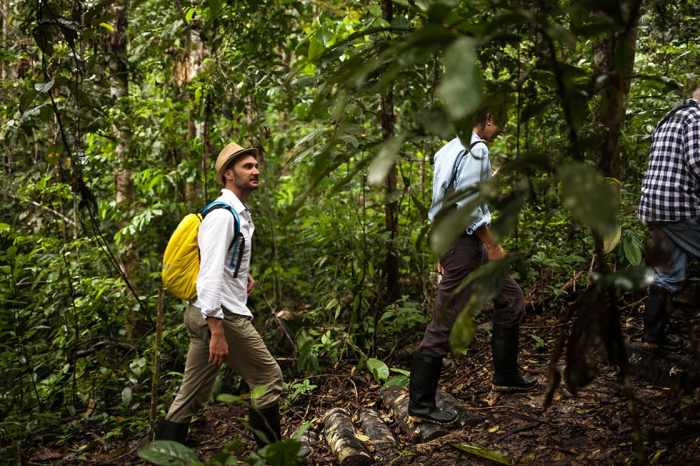
Embark on a hike through the lush rainforest trails, surrounded by towering trees and diverse flora. For a bird’s eye view of the canopy, try out a canopy walk where you can traverse suspended bridges high above the forest floor, offering a unique perspective of the ecosystem below.
Wildlife Spotting
- Listen for the calls of exotic birds and keep an eye out for monkeys swinging through the trees.
- Spot elusive creatures like jaguars, sloths, and colorful frogs camouflaged in the foliage.
Exploring Hidden Waterfalls and Caves
Discover the hidden gems of the rainforest, including majestic waterfalls cascading into crystal-clear pools and mysterious caves waiting to be explored. These natural wonders provide a sense of awe and wonder, showcasing the raw beauty of the rainforest.
Camping Under the Canopy
Experience the magic of sleeping under the stars in the heart of the rainforest. Listen to the symphony of nocturnal sounds as you drift off to sleep, surrounded by the sights and sounds of the vibrant ecosystem. Camping under the canopy offers a unique opportunity to connect with nature in a profound and intimate way.
Environmental Conservation and Sustainability
When exploring rainforest destinations, it is crucial to prioritize responsible travel practices to protect the delicate ecosystems and ensure their sustainability for future generations. By being mindful of our impact on the environment, we can help preserve the biodiversity and natural beauty of these unique areas.
Initiatives and Organizations Dedicated to Rainforest Conservation
Several initiatives and organizations are dedicated to the conservation of rainforests around the world. These groups work tirelessly to protect and restore these vital ecosystems, collaborating with local communities and governments to implement sustainable practices and raise awareness about the importance of conservation.
- The Rainforest Alliance: A non-profit organization focused on promoting responsible forestry and agriculture practices to conserve biodiversity and ensure sustainable livelihoods for local communities.
- WWF (World Wildlife Fund): Known for its global conservation efforts, WWF works to protect endangered species and their habitats, including rainforests, through conservation projects and advocacy.
- Amazon Conservation Association: This organization focuses on protecting biodiversity in the Amazon rainforest by supporting research, conservation initiatives, and sustainable development projects.
Ways Travelers Can Contribute to Rainforest Preservation
As travelers, we can play a significant role in supporting rainforest conservation efforts. By making conscious choices during our trips and supporting local initiatives, we can help protect these valuable ecosystems and promote sustainability.
- Choose eco-friendly accommodations and tour operators that prioritize sustainability and support local communities.
- Minimize waste and reduce plastic usage by bringing reusable items and disposing of trash properly.
- Support conservation projects and initiatives through donations or volunteer opportunities with local organizations.
- Learn about the flora and fauna of the rainforest to appreciate its diversity and importance, fostering a deeper connection to nature and the need for conservation.
Closing Summary
Unravel the mysteries of rainforests and ignite your passion for nature as you take your first steps into this captivating realm of biodiversity and adventure.
Commonly Asked Questions
What should beginners know about rainforests?
Beginners should understand the importance of rainforests as vital ecosystems and be prepared for the challenges of exploring them.
How can beginners choose the right rainforest destination?
Beginners should research destinations based on accessibility, safety, and the type of experience they seek.
What gear is essential for a rainforest adventure?
Essential gear includes sturdy hiking shoes, insect repellent, lightweight clothing, and a first aid kit.
Are vaccinations necessary for exploring rainforests?
It is recommended to consult a healthcare professional for advice on necessary vaccinations based on the destination.
How can beginners contribute to rainforest conservation?
Beginners can support conservation efforts by practicing responsible travel, minimizing waste, and supporting local initiatives.